Our aluminium profiles can be powder-coated in wood-look finishes — teak, walnut, light oak — for a premium wooden appearance with zero maintenance.
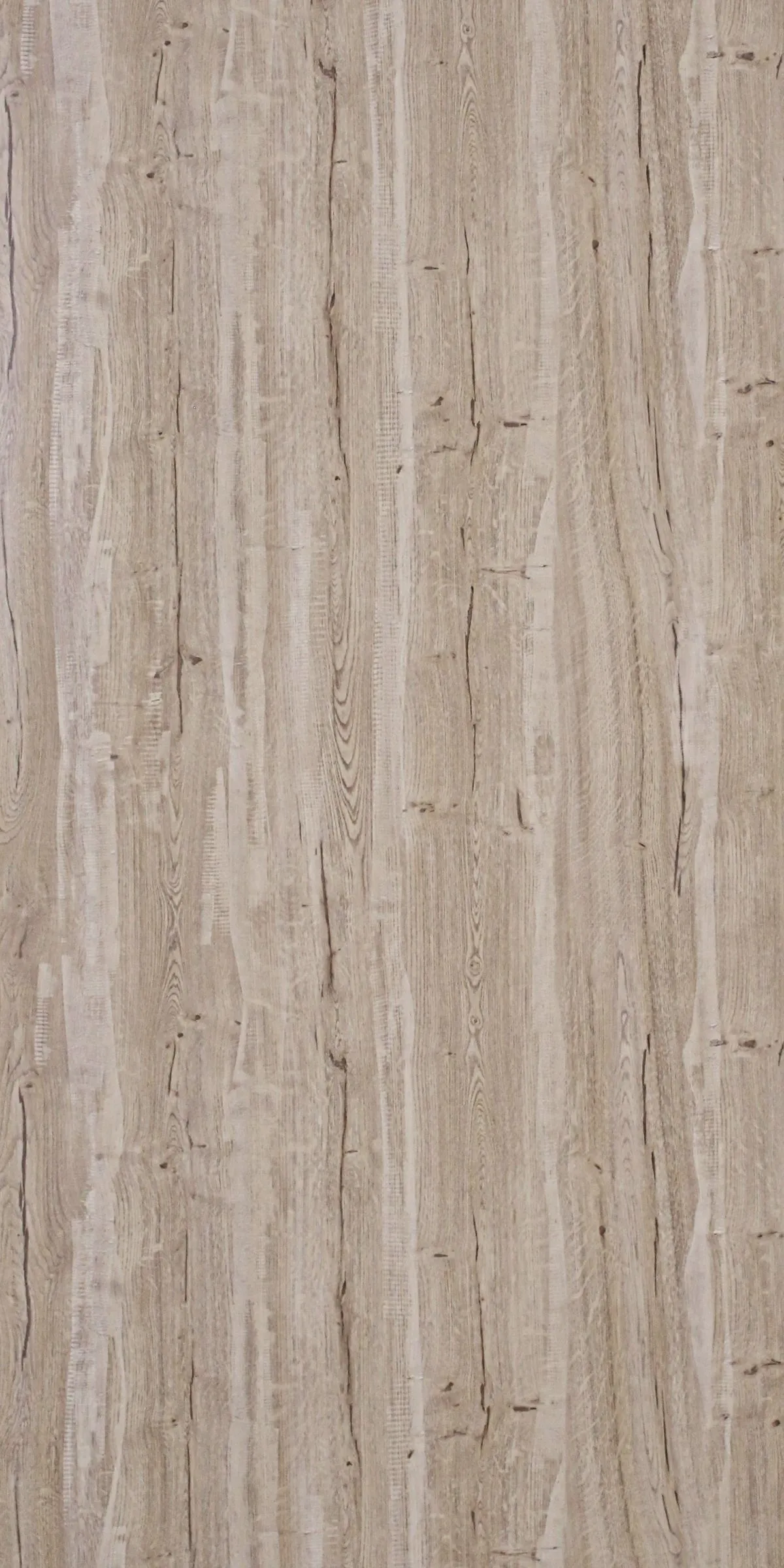 Antique Wood
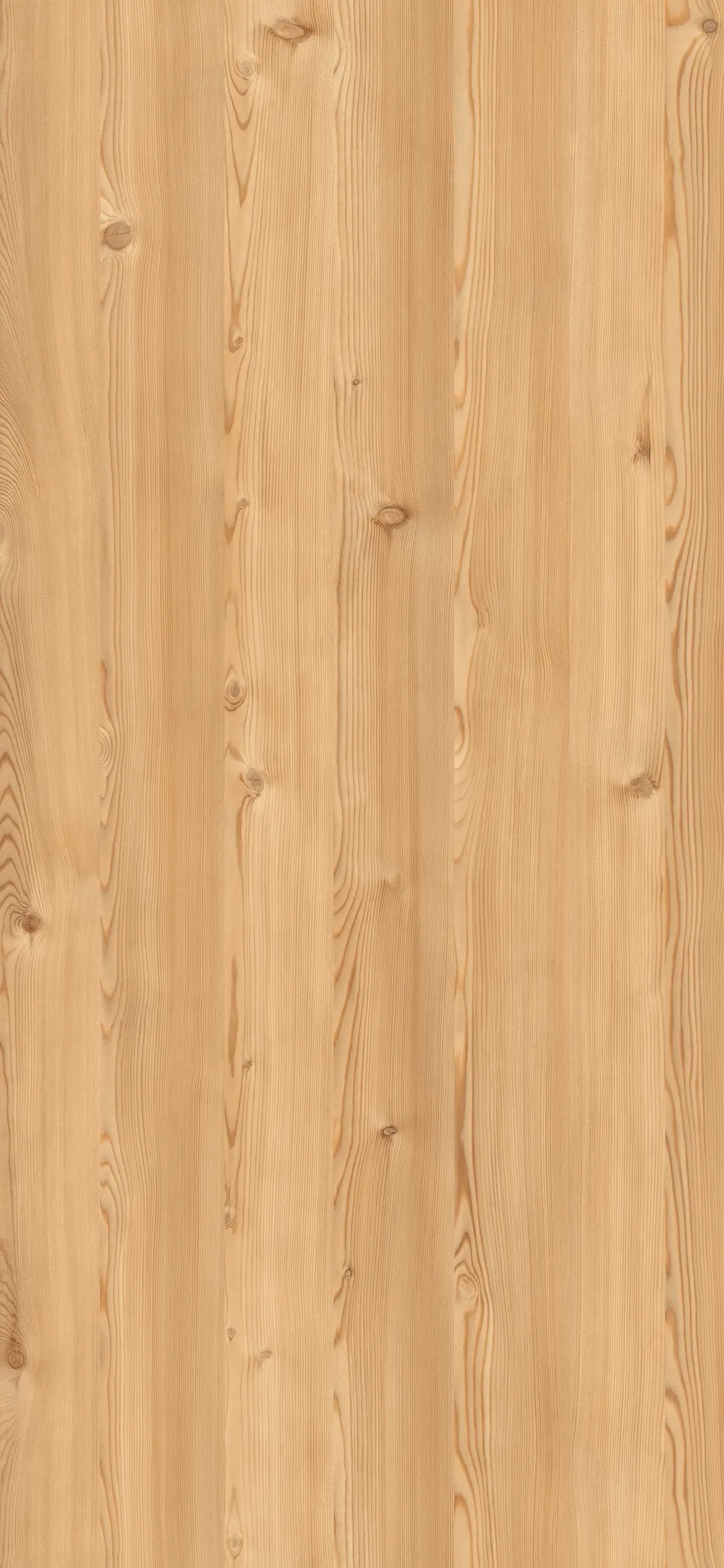 Light Oak
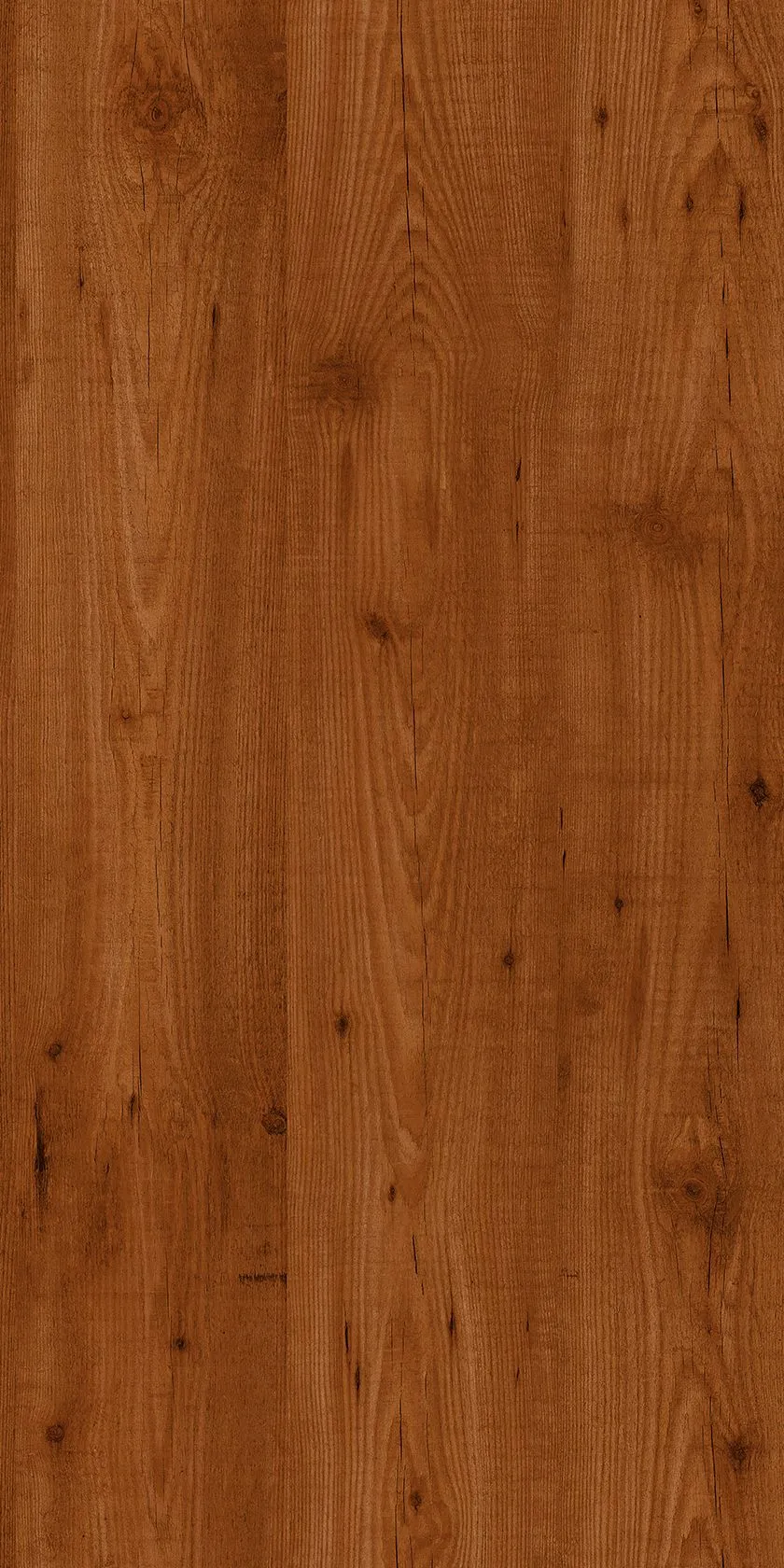 Luxury
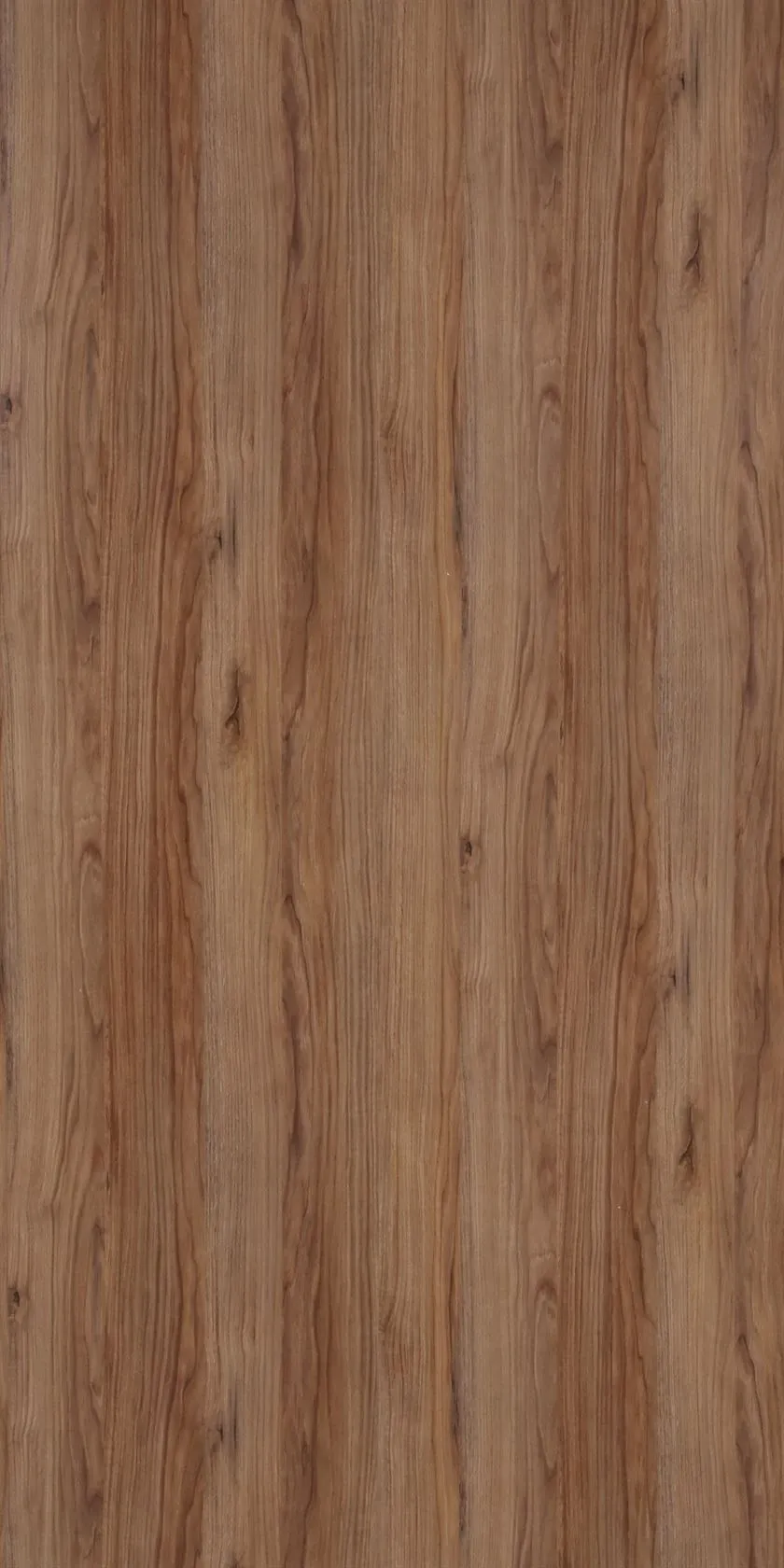 Rich Walnut
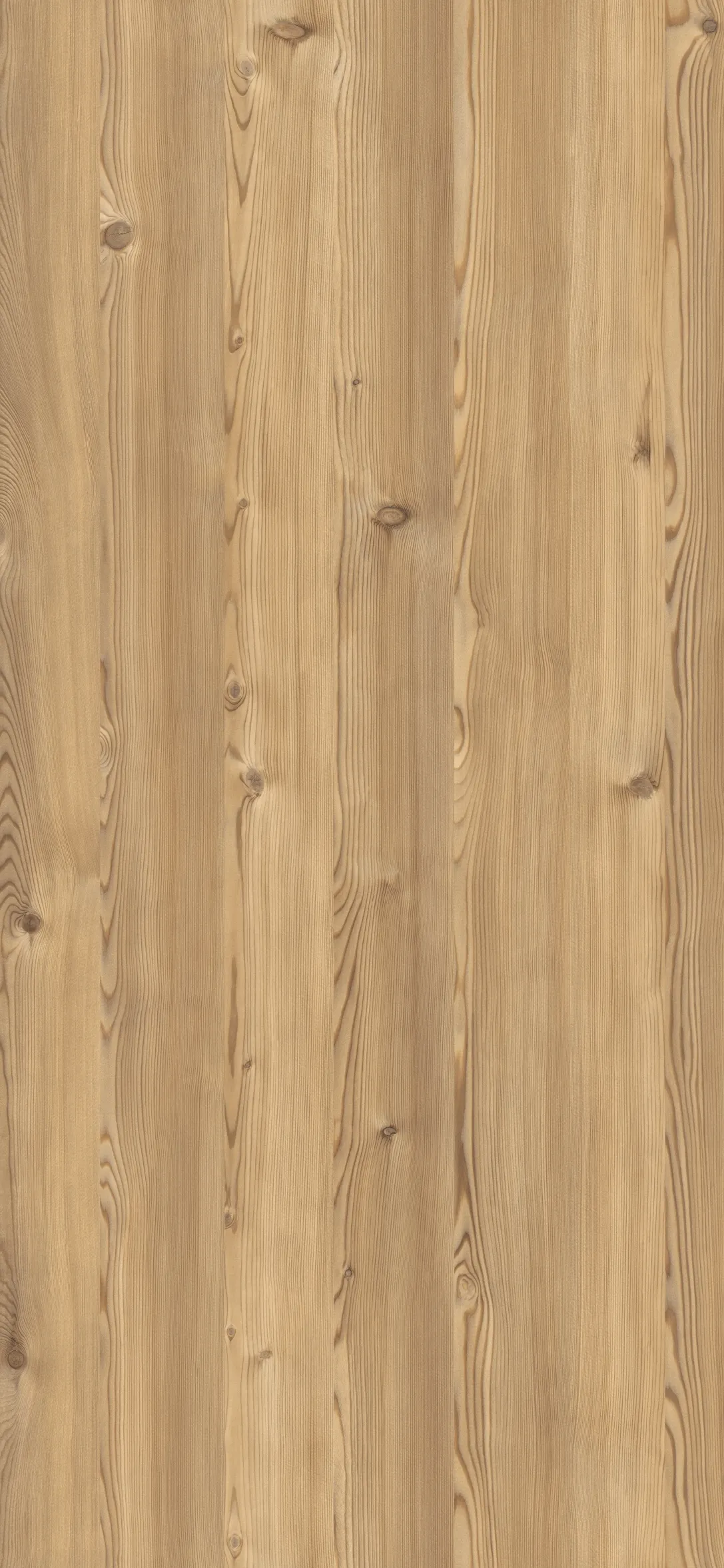 Teak
Teak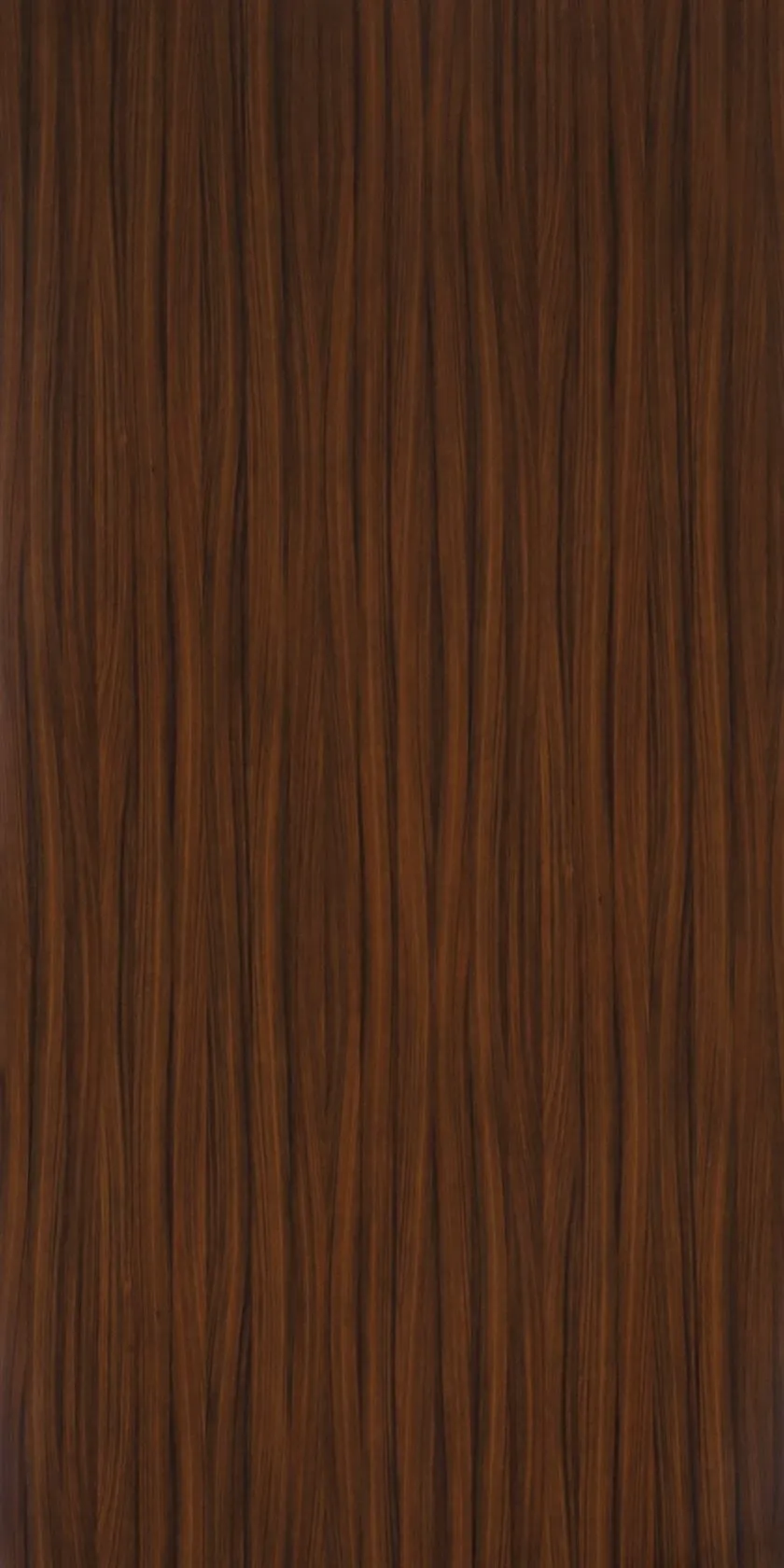 Vintage
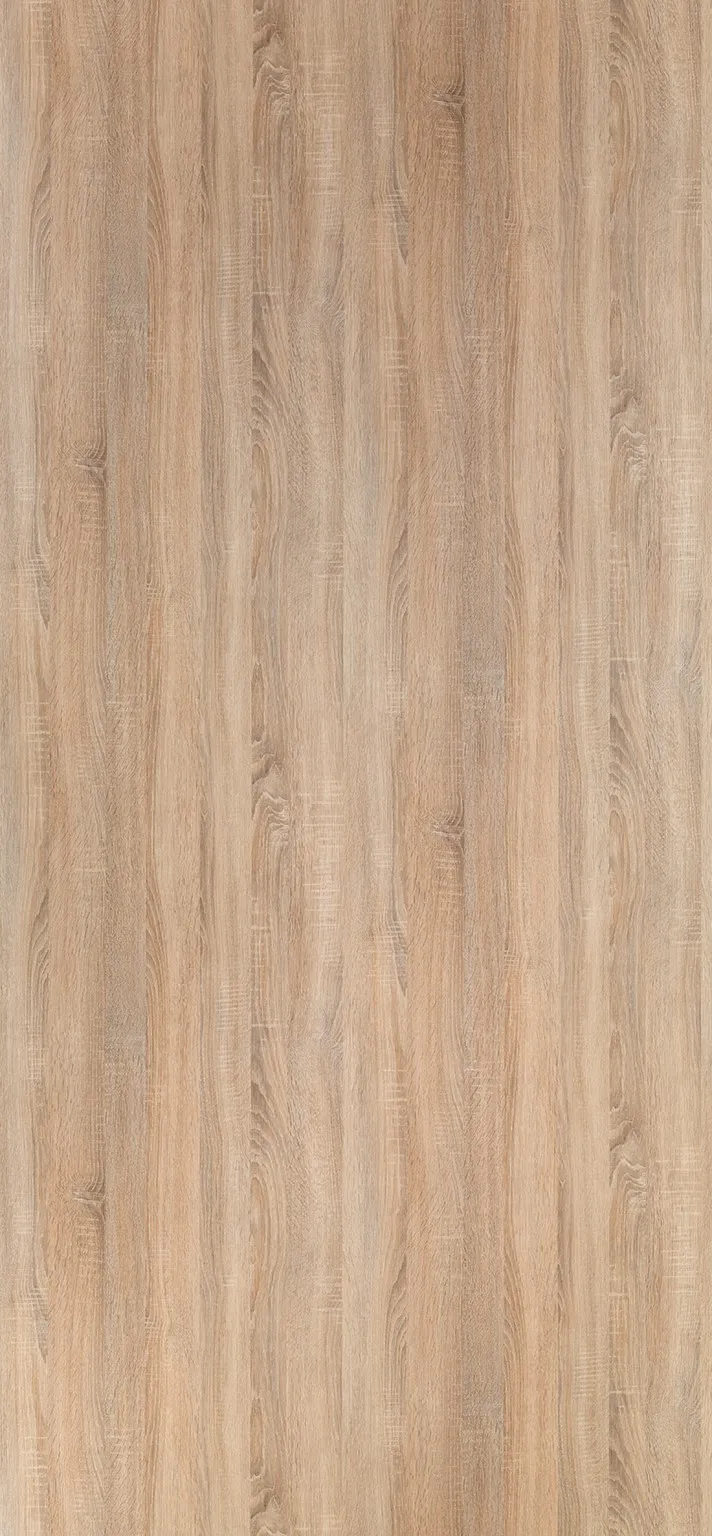 Walnut
| Material | 6063-T5 aluminium alloy — rectangular and square hollow sections |
|---|---|
| Also known as | Facade louvers, building elevation louvers, sun shading louvers, privacy screens, aluminium brise-soleil, architectural louvres |
| Best for | Building facades, balcony screens, office elevations, commercial complexes, hospital exteriors, hotel cladding |
| Profiles | 25×25mm, 25×50mm, 40×40mm, 75×38mm, 100×50mm |
| Gap Pattern | Profile depth = gap width (controlled light and airflow) |
| Price Range | ₹432 – ₹991 per sqft (profiles) + coating ₹84–₹158/sqft + outer frame ₹408/sqft |
| Finishes | Plain, textured, wood-look (teak/walnut) — AkzoNobel/Zotun exterior grade |
| Maintenance | Very low — periodic exterior cleaning, no painting or treatment required |
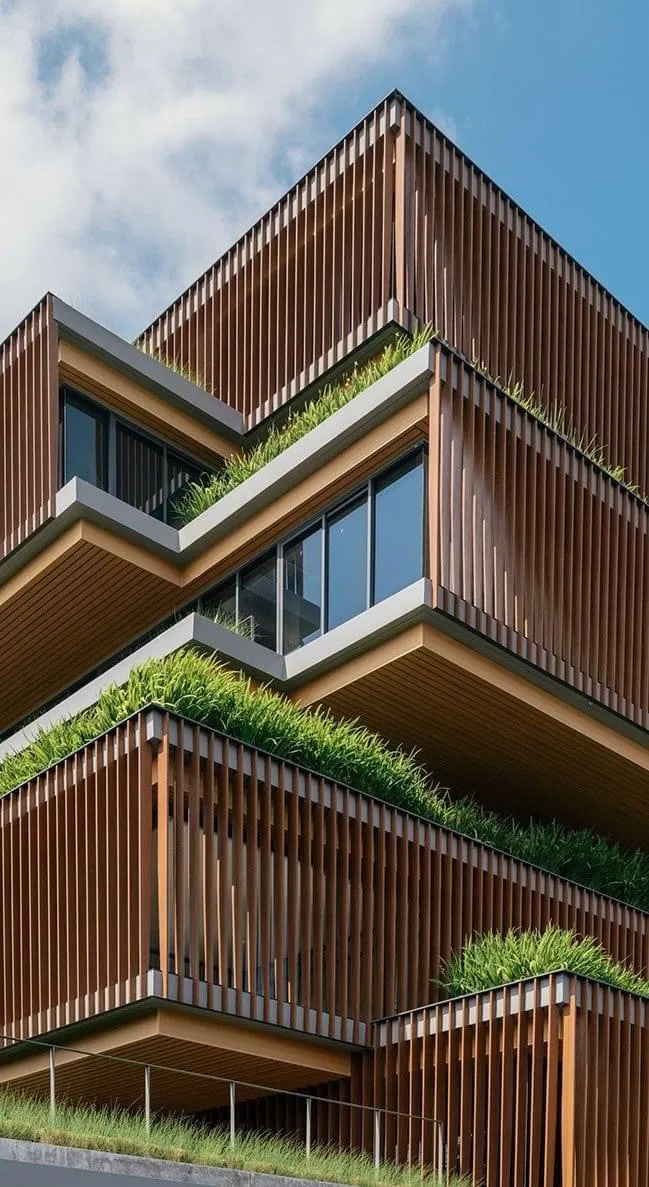
Our aluminium elevation louvers are engineered for building exteriors — they control solar heat gain, provide privacy, allow natural ventilation and create a striking modern architectural look. Each louver profile is precision-extruded from 6063-T5 aluminium alloy and finished with weather-resistant powder coating rated for 15–20 years of exterior exposure.
The profiles are installed depth-side with gaps equal to the profile depth — for example, 100×50mm profiles are mounted 50mm apart creating an even visual rhythm. This pattern maximizes sun shading while maintaining airflow and partial transparency. Vertical louvers are ideal for east and west facades (low-angle sun), while horizontal louvers perform best on north and south elevations.
Elevation louvers are mounted on an outer frame (100×50mm aluminium) supported by 100×100mm pillars for freestanding installations. For wall-mounted facades, concealed MS/SS angle brackets are chemically anchored to the building structure. All connections use concealed GI/SS connectors — no visible bolts or welds.
Facade louvers reduce direct solar radiation on building glass by up to 60%, significantly lowering cooling loads. This makes aluminium louvers a key component in GRIHA and LEED-rated green buildings across India.
| Feature | Aluminium Louvers | GI / MS Louvers | ACP Cladding |
|---|---|---|---|
| Corrosion | No rust — aluminium oxide layer | Rusts without galvanizing | No rust — but delamination risk |
| Lifespan | 15–20+ years | 5–10 years (galvanized) | 10–15 years |
| Fire safety | Non-combustible (Class A) | Non-combustible | PE core: combustible ⚠ |
| Ventilation | ✅ — open gaps between profiles | ✅ — open gaps | ❌ — solid panel, no airflow |
| Weight | Light (0.48–1.1 kg/sqft) | Heavy (3–5× heavier) | Light |
| Wood-look finish | Yes — powder coat | Limited | Printed film — peels |
| Cost | ₹455–₹1043/sqft + coating | ₹250–₹500/sqft + painting | ₹200–₹450/sqft |
| Maintenance | Nil — periodic wash | High — rust treatment, repainting | Low — but panel replacement costly |
| Profile | Type | Gap | Weight/sqft | Wall Thickness |
|---|---|---|---|---|
| 25 × 25 mm | Square | 25 mm | 0.480 kg | 1.2 mm std |
| 25 × 50 mm | Rectangular | 25 mm | 0.620 kg | 1.2 mm std |
| 40 × 40 mm | Square | 40 mm | 0.750 kg | 1.2 mm std |
| 75 × 38 mm | Rectangular | 38 mm | 0.850 kg | 1.2 mm std |
| 100 × 50 mm | Rectangular | 50 mm | 1.100 kg | 1.2 mm std |
Profiles installed depth-side. Gap = profile depth. All weights include 15% uplift. Wall thickness upgrades: 1.5mm (+25%) and 2.0mm (+67%).
| Outer frame profile | 100 × 50 mm aluminium |
|---|---|
| Pillars | 100 × 100 mm aluminium — 0–20 as per need (wall-attached reduces), ₹9,435/pc incl. foundation plate & bolts |
| Maximum span | Up to 16 ft one side without additional iron framing; pillars every 12 ft for larger spans |
| Bracket fixing | MS/SS angle brackets with M12 chemical anchors to RCC structure |
| Connectors | Concealed GI/SS connectors, clamps, nut-bolt system fittings |
| Material grade | 6063-T5 aluminium alloy |
|---|---|
| Finish options | Plain powder coat, textured, wood-look (teak/walnut) — AkzoNobel/Zotun exterior grade |
| Patterns | Vertical, horizontal, or mixed orientation |
| Fire rating | Non-combustible — Class A fire rating |
| UV resistance | AkzoNobel powder coat — rated for 15+ years exterior UV exposure |
| Wind load | Designed per IS 875 Part 3; bracket spacing adjusted for high-wind zones |
| Dead load | 0.48–1.1 kg/sqft profile weight + frame; total system typically 2–4 kg/sqft |
|---|---|
| Wind load | Designed per IS 875 Part 3; exposed facades require closer bracket spacing |
| Anchor depth | Min 100mm embedment for M12 chemical anchors in RCC structure |
| Thermal expansion | Aluminium CTE ~23 µm/m/°C; expansion joints every 6–8 metres for large facade runs |
| Drainage | Open gap pattern provides self-draining; no water accumulation |
| Seismic | Bracket connections designed with slotted holes for seismic zones III–V |
All structural calculations consider local wind load factors per Indian building norms. Engineering drawings, 3D renders and load calculations provided upon request for commercial and high-rise installations.
Loading pricing...
Aluminium elevation louvers combine the aesthetic warmth of wood with the structural performance of metal — without the drawbacks of either. Unlike GI/MS louvers, aluminium does not rust even in Hyderabad's humid monsoon conditions. Unlike ACP cladding, aluminium louvers are non-combustible and provide natural ventilation through the open gap pattern. Unlike real wood, aluminium does not warp, swell, crack or attract termites.
For commercial buildings, aluminium facade louvers contribute to green building certification (GRIHA/LEED) by reducing cooling loads through passive solar shading. The life-cycle cost of aluminium louvers is significantly lower than any alternative due to zero maintenance and 15–20+ year lifespan.
All structural calculations are performed considering local wind load factors as per Indian building norms. Engineering drawings and load sheets can be provided upon request.
| What are elevation louvers used for? | |
| Which profile size is best for building facades? | |
| How much do elevation louvers cost per sqft? | |
| How are facade louvers fixed to the building? | |
| Do aluminium elevation louvers help with green building certification? | |
| Can elevation louvers withstand strong winds? |
We install aluminium elevation louvers and facade profile rafters in Hyderabad, Bangalore, Mumbai, Pune, Chennai, Delhi NCR, Kolkata, Ahmedabad and across India. In Hyderabad, heat and dust demand powder-coated profiles that resist UV and stay easy to clean. In Bangalore, high-rise and villa projects benefit from perforated panels and facade integration. In Mumbai, multi-storey buildings need compact, rain-proof profiles. In Chennai, coastal humidity requires moisture-resistant coating. Site survey in Hyderabad; pan-India fabrication and installation. View all louvers.
Site survey in Hyderabad; pan-India installation. WhatsApp or call for quote.
For site survey, 3D render, engineering drawings and quotation contact our Hyderabad office. We design and install facade louver systems across India.